
shirt pdf
Shirt PDF patterns offer a convenient and affordable way to create custom-fitted shirts at home. These digital patterns are readily downloadable,
providing instant access to a wide variety of shirt styles and sizes. They empower both beginner and experienced sewists to craft unique garments.
What are Shirt PDF Patterns?
Shirt PDF patterns are digital sewing templates delivered in a Portable Document Format (PDF). Unlike traditional paper patterns, these are downloaded and printed at home, offering flexibility and eliminating shipping costs. They contain all the necessary pieces – front, back, sleeves, and any collars or cuffs – required to construct a shirt.
A key feature is the layered PDF format, allowing you to print only the sizes you need, saving paper and ink. These patterns include detailed instructions, often with diagrams, guiding you through the cutting and sewing process. They cater to various skill levels, from simple t-shirts to more complex button-down designs, making shirt-making accessible to everyone.
Why Use PDF Sewing Patterns for Shirts?
PDF sewing patterns for shirts offer numerous advantages. They are incredibly convenient, providing instant access without waiting for shipping. Cost-effectiveness is another benefit, as they are often cheaper than traditional paper patterns. The layered format allows printing only your size, minimizing waste.
Furthermore, PDF patterns offer customization; many platforms, like Lekala, even provide made-to-measure options. This digital format is also eco-friendly, reducing paper consumption. They’re ideal for sewists with limited storage space, eliminating bulky pattern envelopes. Ultimately, PDF patterns empower you to create unique, well-fitting shirts tailored to your preferences.
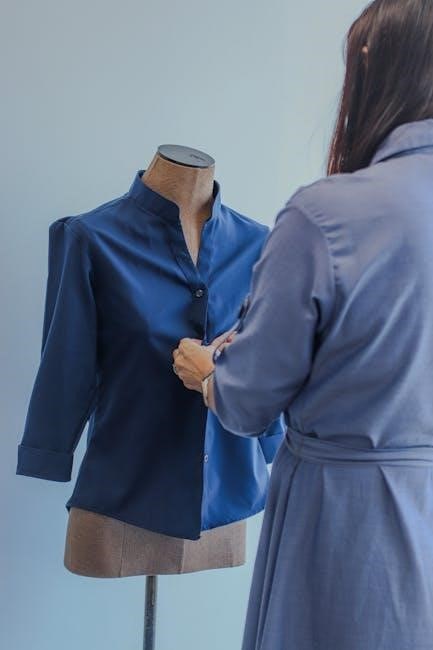
Types of Shirt Patterns Available as PDFs
Shirt PDF patterns encompass diverse styles, including basic tees, polo shirts, button-downs, long-sleeved options, and elegant women’s blouses, catering to varied tastes and skill levels.
Basic T-Shirt Patterns
Basic T-shirt patterns, readily available as PDFs, are excellent starting points for novice sewists. Tiana’s Closet offers a foundational round neck T-shirt pattern, designed for use with stretch jersey fabrics – cotton or natural fibers are ideal for breathability and comfort.
These patterns are versatile, suitable for everyday wear and adaptable for athletic activities when constructed with specialized performance materials. The layered PDF format allows users to print only their required size, minimizing paper waste and streamlining the preparation process. Mastering a basic tee unlocks a world of customization possibilities, from fabric choices to neckline variations.
Polo Shirt Patterns
Polo shirt PDF patterns represent a step up in complexity from basic tees, introducing elements like collars and plackets. While specific free polo shirt patterns weren’t directly highlighted in the provided sources, the foundational skills learned from basic T-shirt patterns readily translate to polo construction.
These patterns typically require slightly more precise cutting and sewing techniques to achieve a professional finish. Fabric choices often include pique cotton or similar textured materials to mimic the classic polo look. Expect to utilize techniques for attaching collars neatly and creating functional button plackets.
Button-Down Shirt Patterns
Button-down shirt PDF patterns represent a more advanced sewing project, demanding greater precision and skill. While the provided resources didn’t detail specific free button-down patterns, Lekala offers made-to-measure shirt patterns (6026) which could encompass button-down styles. These patterns involve intricate details like collars, cuffs, plackets, and buttonholes.
Successful construction requires careful attention to pattern matching, especially with patterned fabrics. Suitable materials include woven cotton, linen, or chambray. Expect to utilize techniques for inserting sleeves, creating a clean collar stand, and accurately applying buttonholes for a polished, professional result.
Long-Sleeve Shirt Patterns
Long-sleeve shirt PDF patterns extend the versatility of basic shirt designs, offering options for cooler weather or layered looks. While the provided resources primarily highlight t-shirts, the foundational skills learned apply to long-sleeved variations. Lekala’s made-to-measure shirt pattern (6026) could potentially be adapted or include long-sleeve options.
Fabric choices remain similar – breathable jersey, cotton, or natural fibers are ideal. Construction involves accurately measuring and cutting sleeve pieces, ensuring a comfortable armhole fit, and finishing the cuffs appropriately. These patterns allow for creativity with cuff styles and potential elbow patches.
Women’s Blouse Patterns
While the initial resources focus on t-shirts and basic shirts, the principles of using shirt PDF patterns readily translate to women’s blouse designs. These patterns often incorporate more detailed features like collars, cuffs, and darts for shaping. Lekala’s made-to-measure service could be particularly useful for achieving a precise fit with blouse patterns.
Fabric selection for blouses expands beyond jersey to include woven fabrics like cotton poplin, linen, or silk. Construction requires more precise sewing techniques for features like plackets and buttonholes. Blouse patterns offer opportunities for stylistic details like ruffles or tie-fronts.
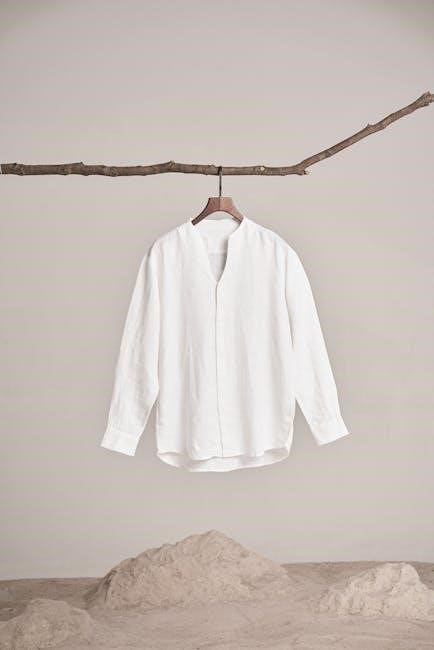
Finding Free Shirt PDF Patterns
Numerous online resources offer free shirt PDF patterns, including Tiana’s Closet for basic tees, Its Always Autumn’s collection, and Lekala’s made-to-measure options.
Tiana’s Closet ⎻ Basic Round Neck T-Shirt
Tiana’s Closet provides a free PDF sewing pattern for a classic, basic round neck T-shirt, ideal for beginners. This pattern is designed for use with stretch jersey fabrics,
emphasizing comfort and ease of wear. Cotton or natural fiber jerseys are recommended for breathability and a gentle feel against the skin.
However, the pattern’s versatility extends to specialized materials suitable for athletic activities like running or tennis. A key feature is the layered PDF format,
allowing users to print only the sizes they require, minimizing paper waste and streamlining the cutting process. This efficient design makes it a popular choice for quick sewing projects.
Its Always Autumn ⎻ Collection of Free T-Shirt Patterns
Its Always Autumn offers a curated collection of free T-shirt sewing patterns, catering to a diverse range of sewists and styles. This resource is perfect for those seeking variety
without the cost of purchasing multiple patterns. The collection includes designs for women, men, girls, boys, and children, ensuring there’s something for everyone.
Whether you’re a seasoned seamster or just starting out, you’ll find patterns to suit your skill level. The website provides clear instructions and guidance, making it easier to
successfully sew your own T-shirts at home. It’s a fantastic starting point for building a handmade wardrobe or creating personalized gifts.
Lekala ― Made-to-Measure Shirt Pattern 6026
Lekala provides a unique service with its Shirt Pattern 6026 – a made-to-measure sewing pattern available for free online download. This pattern distinguishes itself by allowing users to
customize the pattern based on their individual body measurements, ensuring a perfect fit. Unlike standard, pre-sized patterns, Lekala generates a pattern specifically tailored to the user’s dimensions.
This feature is particularly beneficial for those who struggle to find well-fitting garments off the rack. The pattern is delivered in PDF format, ready for printing and assembly.
Lekala’s approach combines convenience with personalized tailoring, offering a sophisticated solution for home sewing enthusiasts;

Understanding PDF Pattern Features
PDF patterns often come in layered formats, allowing you to print only your size. Familiarize yourself with pattern notation, symbols, and crucial seam allowance details.
Layered PDF Format & Size Printing
Layered PDF patterns are a significant advantage for home sewists. These files contain multiple layers, each representing a different size. This innovative feature eliminates the need to print the entire pattern if you only require one specific size, saving valuable paper and ink.
Before printing, ensure your printer settings are correct to maintain accurate scaling – a crucial step for garment fit. Most PDF patterns include a test square; printing this and measuring it verifies your printer’s accuracy. Selecting the “actual size” or “100%” scaling option is generally recommended.
By printing only the necessary layers, you streamline the pattern preparation process and reduce clutter, making your sewing project more efficient and enjoyable.
Pattern Notation and Symbols
Understanding pattern notation and symbols is essential for successful shirt construction from PDF patterns. Common symbols indicate grainlines, cutting lines, notches for alignment, and fold lines. These visual cues guide accurate fabric cutting and ensure proper piece assembly.
PDF patterns often include a key explaining each symbol used. Pay close attention to markings for darts, buttonholes, and pocket placements. Abbreviations for terms like “SA” (seam allowance) or “RS” (right side) are frequently used.
Familiarizing yourself with these conventions will prevent errors and contribute to a professional-looking finished garment. Careful interpretation of the pattern’s instructions is key to achieving a well-fitted shirt.
Seam Allowances
Seam allowances are crucial when sewing shirts from PDF patterns, dictating the fabric extending beyond the stitching line. Most patterns include a standard seam allowance, typically 1/2 inch or 3/8 inch, though this can vary. Always check the pattern instructions to confirm the specified allowance before cutting your fabric.
Consistent seam allowances are vital for accurate garment fit and a professional finish. Some patterns may indicate different allowances for specific seams, like shoulder or side seams.
Accurately accounting for seam allowances during cutting ensures your shirt pieces will join correctly, preventing sizing issues and ensuring a polished final product.
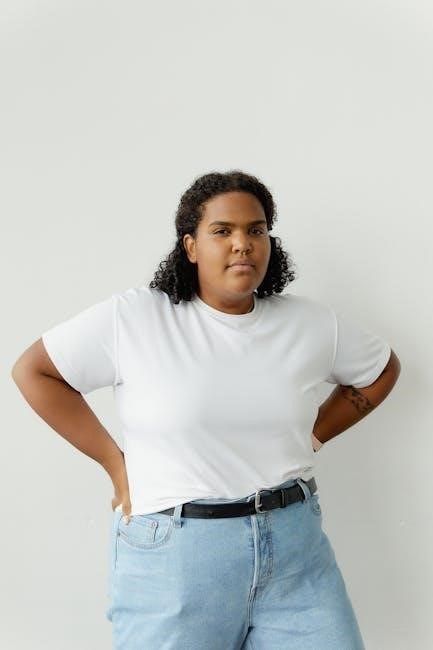
Materials Needed for Sewing Shirts from PDFs
Successful shirt sewing requires suitable fabrics like jersey, cotton, or natural fibers, alongside essential notions such as thread, buttons, and elastic for finishing.
Suitable Fabrics (Jersey, Cotton, Natural Fibers)
Choosing the right fabric is crucial for a comfortable and well-fitting shirt. Jersey fabrics, known for their stretch and drape, are exceptionally popular for basic T-shirts, offering ease of movement and a relaxed fit. Cotton provides breathability and durability, making it ideal for everyday wear.
Natural fibers like linen and rayon are also excellent choices, particularly for warmer climates, as they allow air circulation and feel gentle against the skin. For athletic shirts or garments requiring enhanced performance, specialized materials designed for running or tennis can be utilized. Consider the pattern’s recommendations and your desired shirt style when selecting your fabric.
Notions (Thread, Buttons, Elastic)
Beyond fabric, several essential notions are required to complete your shirt project. High-quality thread, matching your chosen fabric color, is paramount for durable seams. Button-down shirts, naturally, necessitate buttons – select styles and sizes complementing the shirt’s design.
Elastic is often needed for neckline or sleeve finishes, providing a comfortable and secure fit, especially in casual T-shirt styles; Depending on the pattern, you might also require interfacing for collars or button plackets to add structure. Don’t forget to check the pattern instructions for a complete list of necessary notions before you begin sewing!

Tools Required for Cutting and Sewing
Essential tools include a printer for the PDF pattern, sharp cutting tools like scissors or a rotary cutter, and a reliable sewing machine for construction.
Printer and Paper
Printing a PDF sewing pattern accurately is crucial for a well-fitting shirt. A standard home printer is generally sufficient, but ensure it’s functioning correctly and has adequate ink. The type of paper matters; standard A4 or Letter size paper works, but consider heavier weight paper for durability, especially with frequent use.
Pattern scaling is vital – verify printer settings are set to 100% or “actual size” to avoid distortion. Test squares (often included on the pattern) confirm accurate printing. For larger sizes, multiple sheets will be needed, requiring careful taping together. Investing in a large format printer can eliminate this step, but isn’t essential.
Cutting Tools (Scissors, Rotary Cutter)
Accurate fabric cutting is paramount when sewing shirts from PDF patterns. Both scissors and rotary cutters are viable options, each with advantages. Sharp fabric scissors are essential for clean cuts, particularly on woven fabrics. However, a rotary cutter, paired with a self-healing cutting mat and ruler, offers greater precision and speed, especially for knit fabrics.
Choosing the right tool depends on fabric type and personal preference. Rotary cutters excel with stretchy materials, minimizing distortion. Always use a fresh blade for clean cuts. Pattern weights can help secure the pattern pieces to the fabric, preventing shifting during cutting.
Sewing Machine
A reliable sewing machine is indispensable for constructing shirts from PDF patterns. Most standard machines can handle common shirt fabrics like jersey and cotton. However, consider your fabric choice; knit fabrics often require a machine with stretch stitch capabilities to prevent puckering. A basic straight stitch is sufficient for woven shirts, but a zigzag stitch adds durability to seams.
Machine maintenance, including regular cleaning and needle changes, ensures optimal performance. Utilizing the correct needle type – ballpoint for knits, universal for wovens – is crucial. Familiarize yourself with your machine’s settings for different fabrics and stitch types to achieve professional results.
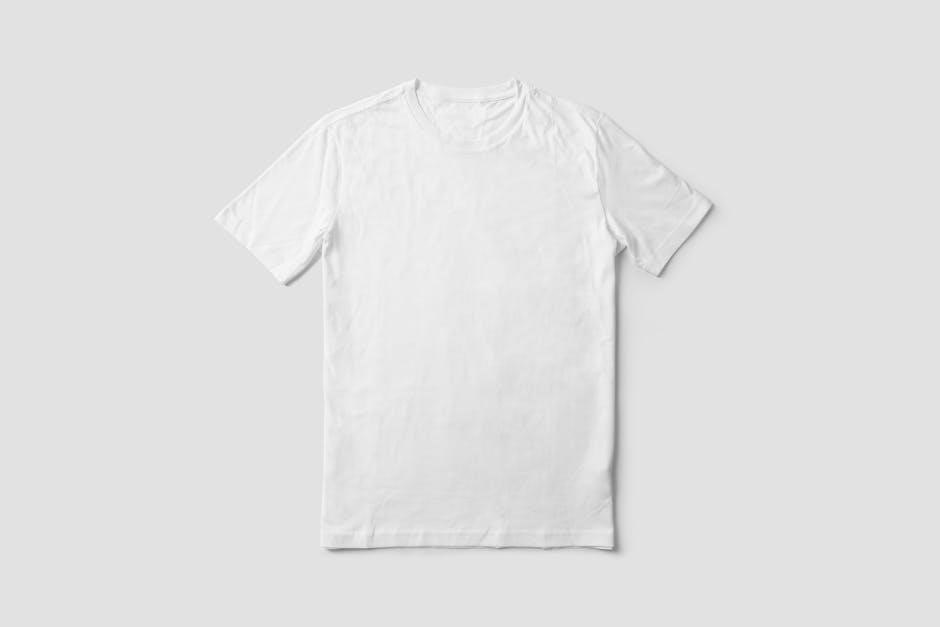
Printing and Assembling Your PDF Pattern
Accurate printing and careful assembly are vital when using shirt PDF patterns. Ensure correct scaling during printing, then precisely join the pattern pieces with tape or glue.

Printer Settings for Accurate Scaling
Achieving accurate scaling is paramount when printing shirt PDF patterns, as even slight discrepancies can significantly alter the final garment’s fit. Before printing, access your printer settings and locate the scaling option. Disable options like “Fit to Page” or “Shrink to Fit,” as these automatically adjust the pattern’s size.
Instead, select “Actual Size” or “100%” to ensure the pattern prints at its intended dimensions; It’s crucial to print the test square – usually a 1-inch square included in the PDF – and verify its measurement with a ruler. If the test square isn’t precisely one inch, adjust the scaling accordingly until accuracy is achieved before printing the entire pattern.
Joining Pattern Pieces
After printing, most shirt PDF patterns require assembling the individual pattern pieces. Carefully align the pattern sheets according to the registration marks – typically small triangles or squares – printed on each page. Use clear tape, ensuring a secure and flat join without wrinkles or overlaps.
Precisely matching these marks is vital for maintaining pattern accuracy. Overlap the tape slightly for added strength. Once all pieces are joined, gently trace the completed pattern onto pattern tracing paper or directly onto your chosen fabric, ready for cutting. A smooth, accurately assembled pattern is key to a well-fitting shirt.

Sewing Techniques for Shirt Construction
Successful shirt sewing relies on accurate cutting, proper neckline finishing, and neat hemming. Mastering these techniques ensures a professional finish for your PDF-patterned garment.
Cutting Fabric Accurately
Precise fabric cutting is paramount when working with shirt PDF patterns. Lay your fabric flat, ensuring it’s smooth and free of wrinkles. Utilize pattern weights or pins to secure the printed pattern pieces to the fabric, preventing shifting during cutting.
Employ sharp cutting tools – either fabric scissors or a rotary cutter with a cutting mat – for clean, accurate lines. Carefully trace around each pattern piece, paying close attention to any notches or markings. Accuracy at this stage directly impacts the final fit and appearance of your shirt, so take your time and double-check your work before proceeding.
Neckline Finishing Techniques
Finishing the neckline neatly is crucial for a professional-looking shirt sewn from a PDF pattern. Several techniques exist, depending on the shirt style and fabric. A simple folded and stitched hem works well for jersey knits, creating a clean, comfortable edge.
For more structured fabrics, consider binding the neckline with bias tape, offering a durable and polished finish. Another option is to create a self-fabric neckline facing, providing a seamless look. Remember to clip curves carefully before turning the neckline right-side out to minimize puckering and ensure a smooth, flattering fit.
Hemming Techniques
Achieving a professional hem is vital when sewing shirts from PDF patterns. For knit fabrics like jersey, a simple turned-up hem, secured with a stretch stitch or twin needle, provides flexibility and prevents unraveling. This method maintains the fabric’s natural drape.
Woven fabrics benefit from a more structured hem. A standard turned-up hem, pressed firmly and stitched in place, offers durability. Alternatively, consider a narrow rolled hem for a delicate finish. Accurate measuring and consistent stitching are key to a straight, even hemline, enhancing the overall appearance of your handmade shirt.

Resources for Learning to Sew Shirts
Numerous online tutorials and sewing blogs, like Its Always Autumn, provide guidance for working with shirt PDF patterns, offering valuable tips and techniques.
Online Tutorials and Courses
Embarking on shirt sewing with PDFs is simplified through a wealth of online resources. Many platforms offer step-by-step video tutorials, breaking down complex techniques into manageable segments. These resources often demonstrate pattern assembly, fabric cutting, and sewing procedures specifically for shirt construction.
Beginners will find introductory courses covering essential skills, while experienced sewists can explore advanced techniques like collar construction or pattern alterations. Websites and platforms dedicated to sewing frequently host workshops and classes focused on garment making, including shirts from PDF patterns. Exploring these options builds confidence and expands your sewing repertoire.
Sewing Blogs and Communities
A vibrant ecosystem of sewing blogs and online communities provides invaluable support for those working with shirt PDF patterns. These platforms are brimming with shared experiences, helpful tips, and inspiring projects. Bloggers often detail their shirt-making journeys, offering insights into fabric choices, pattern adjustments, and troubleshooting common issues.
Online forums and social media groups foster a collaborative environment where sewists can ask questions, share their creations, and receive constructive feedback. Participating in these communities accelerates learning and provides motivation, turning shirt sewing into a rewarding and social activity.