dieta dash menú semanal pdf
Overview of the DASH Diet
The DASH diet promotes fruits‚ vegetables‚ legumes‚ whole grains‚ nuts‚ seeds‚ fish‚ and low‑fat dairy while limiting red meat and sodium․ A weekly PDF menu outlines balanced portions‚ encouraging heart‑healthy eating patterns․
The PDF menu offers servings lists and portion tips making it easy to follow the DASH plan at home or on the go․
What Is DASH and Its Core Principles
The DASH (Dietary Approaches to Stop Hypertension) diet is a structured eating plan designed to lower blood pressure and improve overall heart health․ Its core principles emphasize a high intake of fresh fruits and vegetables‚ legumes‚ and whole grains‚ combined with nuts‚ seeds‚ and lean protein sources such as fish and low‑fat dairy․ The plan limits sodium‚ red meat‚ and processed foods‚ encouraging the use of herbs and spices for flavor instead of salt․ A weekly DASH menu PDF serves as a practical guide‚ providing clear portion sizes‚ meal timing‚ and grocery lists that align with these nutritional goals․ By following the PDF‚ individuals can easily incorporate the diet’s balanced approach into daily life‚ supporting weight management and cardiovascular wellness․ It aids loss!!!!

In practice‚ a DASH menu PDF outlines daily servings: 5–7 fruit portions‚ 4–5 vegetable portions‚ 6–8 grain servings‚ 2–3 protein servings‚ and 2–3 dairy servings․ It includes snack ideas and hydration reminders․ The PDF format allows easy printing or sharing‚ making it convenient for families or individuals to track adherence and adjust portions as needed․
Scientific Evidence Supporting DASH for Blood Pressure
Studies show that following the DASH diet lowers hypertension risk by 30–40 % and cardiovascular events by 20 %․ The diet’s potassium‚ calcium‚ magnesium improve vascular health reduce arterial stiffness‚ blood‑pressure control
Key Nutrient Targets (Sodium‚ Potassium‚ Calcium‚ Magnesium)
The DASH menu PDF specifies precise daily limits: sodium should not exceed 2‚300 mg‚ ideally 1‚500 mg for optimal blood‑pressure control․ Potassium intake is encouraged at about 4‚700 mg‚ sourced from fruits‚ vegetables‚ legumes‚ and whole grains․ Calcium is targeted at 1‚200 mg per day‚ using low‑fat dairy or fortified alternatives․ Magnesium recommendations sit near 350 mg‚ found in nuts‚ seeds‚ and leafy greens․ These targets are grounded in randomized trials that link each mineral’s balance to reduced systolic and diastolic readings․ The PDF layout includes portion sizes‚ color‑coded servings‚ and a grocery list that helps users meet these goals without excess salt or processed foods․
The PDF also lists daily water intake recommendations‚ encouraging 8 cups of fluid to support sodium excretion․ It includes a weekly shopping checklist that highlights low‑sodium options and suggests natural flavor enhancers like herbs and citrus․ Users can track their sodium consumption with a simple log‚ ensuring they stay below the target while enjoying flavorful meals and celebrate progressevery success
Structure of a DASH Weekly Menu PDF
The PDF layout shows a 7‑day grid‚ each day divided into breakfast‚ lunch‚ dinner‚ and snacks․ It lists portion sizes‚ color‑coded servings‚ and a grocery list for easy prep․ Each day’s menu balances protein‚ fiber‚ and fats for now satiety․
Typical Weekly Layout and Meal Distribution
In a DASH weekly menu PDF‚ each of the seven days is split into four meal slots: breakfast‚ lunch‚ dinner‚ and a snack․ The layout follows a color‑coded system—green for fruits and vegetables‚ blue for whole grains‚ yellow for lean proteins‚ and orange for low‑fat dairy—to help users quickly identify the nutrient balance․ Portion sizes are specified in servings‚ with a recommended 5–7 servings of fruit‚ 4–5 servings of vegetables‚ 6–8 servings of whole grains‚ 2–3 servings of lean protein‚ and 2–3 servings of low‑fat dairy per day․ The PDF also includes a grocery list aligned with the weekly plan‚ allowing shoppers to buy exactly what they need for each meal․ Additionally‚ a brief nutrition summary at the bottom of each page highlights daily sodium‚ potassium‚ calcium‚ and magnesium targets‚ ensuring the menu stays within DASH guidelines while promoting heart health and weight management․ The PDF also features a grocery checklist that groups items by aisle‚ making shopping today! Users can toggle between a 150‑calorie and a 200‑calorie version‚ weight loss or maintenance․ Visual icons indicate whether a food is sodium‑free or low‑sodium‚ aiding decisions during meal prep․

Sample Day‑by‑Day Menu Examples
Below is a concise 7‑day DASH menu that can be copied into a PDF․ Each day lists a balanced breakfast‚ lunch‚ dinner‚ and a light snack․ Portion sizes follow the DASH servings chart: 5–7 fruit servings‚ 4–5 vegetable servings‚ 6–8 whole‑grain servings‚ 2–3 lean‑protein servings‚ and 2–3 low‑fat dairy servings․
- Day 1: Oatmeal topped with blueberries‚ a boiled egg‚ grilled salmon‚ mixed greens salad with olive oil‚ and a low‑fat yogurt․
- Day 2: Whole‑grain toast with mashed avocado‚ sliced turkey breast‚ quinoa bowl with roasted bell pepper and zucchini‚ apple slices‚ and a handful of almonds․
- Day 3: Greek yogurt parfait with granola‚ lentil soup‚ baked chicken breast‚ steamed broccoli‚ orange wedges‚ and a rice cake․
- Day 4: Spinach‑banana smoothie with skim milk‚ tuna salad on whole‑grain crackers‚ brown rice‚ carrot sticks‚ peach‚ and a low‑fat cheese stick․
- Day 5: Scrambled tofu‚ whole‑grain pancakes‚ grilled shrimp‚ mixed fruit plate‚ and a small handful of walnuts․
- Day 6: Cottage cheese with pineapple‚ turkey chili‚ whole‑grain pasta‚ sautéed kale‚ pear‚ and a low‑fat milkshake․
- Day 7: Veggie omelet‚ quinoa salad‚ baked cod‚ roasted sweet potato‚ grapes‚ and a low‑fat yogurt parfait․

This format ensures that users can quickly identify the source of each nutrient and stay within DASH guidelines throughout the week․
Feel free to swap proteins or grains while keeping the overall balance intact․ The PDF can include a printable grocery list that matches each day’s ingredients․ Adjust portions to meet the 1500‑mg sodium limit and 4700‑mg potassium goal․ Use a spreadsheet to track calories and nutrients‚ then export the layout as a PDF for easy printing or digital sharing․
Customizing the Menu for Individual Preferences
Personalizing a DASH PDF menu starts with core pillars—fruits‚ veggies‚ whole grains‚ lean proteins‚ and low‑fat dairy—while honoring taste․ Use a Vitónica weekly plan as a base‚Swap chicken for tofu or tempeh‚ replace salmon with sardines for omega‑3Reduce carbohydrate days by cutting whole‑grain servings and adding extra legumes or nuts․ Enjoy the flexibility of swapping foods daily․!!
Use a spreadsheet to track sodium‚ potassium‚ calcium‚ and magnesium․ Highlight items and replace them with homemade versions or low‑sodium alternatives․ For those who dislike certain veggies‚ substitute a variety that offers similar nutrients—swap spinach for kale‚ or carrots for sweet potatoes․ Adjust fruit portions to stay 5–7 servings per day limit while keeping colorful !!! Feel free adjust ingredients based on availability daily
When creating the PDF‚ include a “Swap Sheet” that lists interchangeable foods and their nutrient equivalents․ This lets readers keep the DASH balance while shopping locally or traveling․ Finally‚ ask users to note which meals they enjoyed or found difficult‚ then refine the next week’s menu accordingly․
Essential Food Groups for DASH
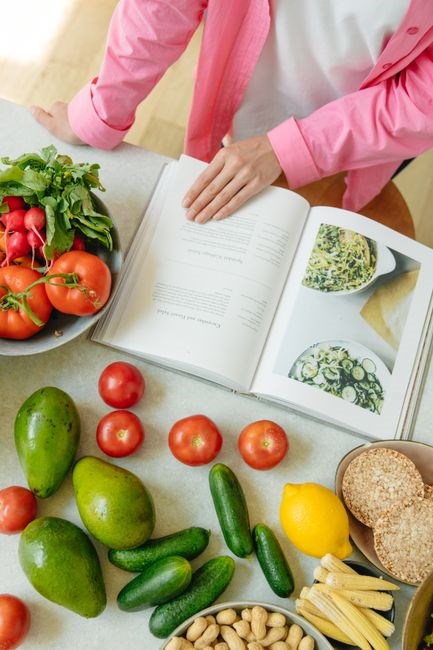
Fruits‚ vegetables‚ legumes‚ whole grains‚ nuts‚ seeds‚ fish‚ and low‑fat dairy form DASH’s core․ A PDF menu lists servings‚ ensuring 5–7 fruit servings‚ 5–6 veg‚ 6–8 whole grains‚ 2–3 protein‚ 2 dairy per day․ for heart health!!․
Fruits and Vegetables: Quantity and Variety
According to the DASH weekly PDF menu‚ each day should include at least five servings of fruit and six servings of vegetables․ The servings are measured in ½ cup portions for cooked or raw produce‚ and one cup for leafy greens․ Variety is encouraged: citrus‚ berries‚ stone fruits‚ and melons for fruit; leafy greens‚ cruciferous‚ root‚ and nightshade vegetables for greens․ The PDF also suggests rotating colors each week to maximize micronutrient diversity․ Portion sizes are adjusted for calorie goals‚ and the menu includes snack options like sliced apples or carrot sticks․ By following the 5–6 servings guideline‚ users can achieve the recommended potassium intake of 4‚700 mg per day while keeping sodium below 2‚300 mg․
Rotation improves flavor and ensures a spectrum of phytonutrients․ For example‚ swapping spinach for kale‚ or carrots for beets‚ introduces different antioxidants․ Incorporating herbs like parsley or cilantro boosts potassium while keeping sodium low․ Aim for at least three groups day—red‚ yellow‚ and green to meet micronutrient targets․ Pairing legumes with whole grains increases protein density without raising sodium levels․
Whole Grains and Legumes: Types and Portions
In the DASH weekly PDF menu‚ whole grains are recommended at 6–8 servings per week‚ with each serving equal to ½ cup cooked or 1 slice of whole‑wheat bread․ Common options include oatmeal‚ brown rice‚ quinoa‚ barley‚ and whole‑wheat pasta․ Legumes are advised at 2–3 servings per day‚ each ½ cup cooked․ Beans‚ lentils‚ chickpeas‚ and peas provide protein‚ fiber‚ and potassium while keeping sodium low․ The PDF suggests rotating grain types weekly to maintain variety and prevent monotony․ Portion control is key: a ½‑cup cooked grain equals about 100 calories‚ and a 1‑cup cooked legume equals roughly 120 calories․ Pairing grains with legumes in a single meal boosts protein quality and satiety․ The menu also includes a grocery list that highlights low‑sodium canned options and dried beans for cost efficiency․ By adhering to the 6–8 grain servings and 2–3 legume servings‚ users meet the DASH nutrient targets for fiber‚ magnesium‚ and potassium‚ supporting blood‑pressure regulation․ These grain and legume portions help keep daily sodium below 2‚300 mg while boosting fiber and potassium for heart health daily․!
Lean Proteins and Low‑Fat Dairy Alternatives
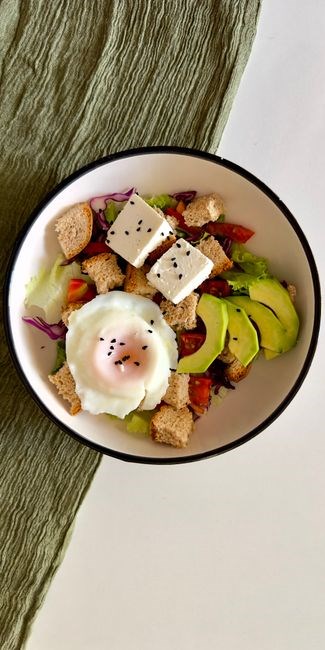
In the DASH weekly PDF menu‚ lean proteins are limited to 5–6 servings per week‚ each about 3–4 ounces cooked or ½ cup cooked beans․ Preferred sources include skinless poultry‚ fish‚ eggs and plant‑based proteins․ dairy alternatives—skim milk‚ low‑fat yogurt‚ and reduced‑fat cheese—are recommended at 2–3 servings daily‚ each serving equal to 1 cup milk or 1 cup yogurt․ The PDF emphasizes using unsalted or low‑sodium options to keep sodium intake below 2‚300 mg․ Portion control is highlighted: a 3‑ounce chicken breast equals roughly 140 kcal‚ while ½ cup of cooked lentils provides 115 kcal and 9 g protein․ The menu suggests pairing these proteins with whole grains and vegetables for balanced meals․ A grocery list in the PDF lists low‑fat dairy brands and lean cuts‚ and includes tips for choosing fresh fish over processed options․ By adhering to these protein and dairy guidelines‚ the DASH plan supports heart‑healthy blood‑pressure control while maintaining adequate protein intake for muscle maintenance and satiety․
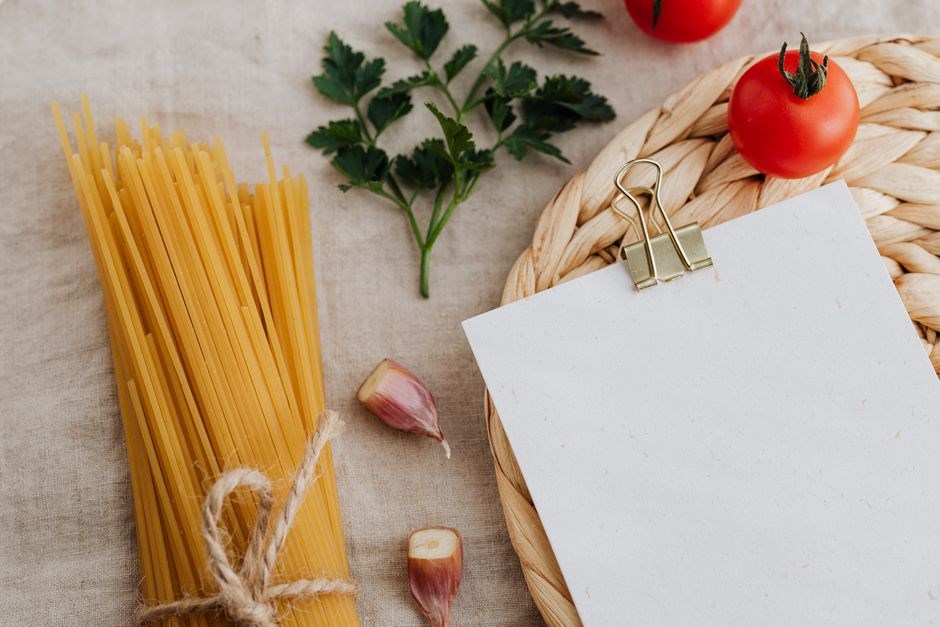
This structure delivers essential amino acids and calcium‚ supporting muscle health within DASH calorie today!! limit!!․
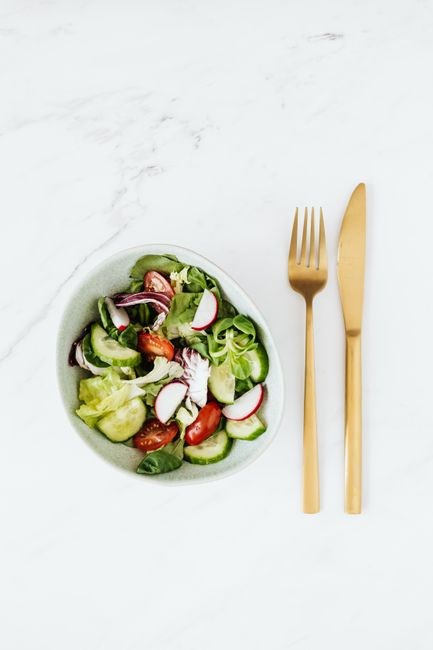
Practical Tips for Creating a DASH PDF Menu
Use spreadsheet software to draft the menu‚ then export to PDF․ Keep clear headings‚ color‑coded sections‚ and a printable grocery list․ Include icons for quick reference․ Add a section for meal prep tips and seasonal swaps․
Using Spreadsheet Software to Design the PDF
Begin by listing each day of the week in rows and meal types in columns․ Use a spreadsheet program like Excel or Google Sheets to input portion sizes‚ calorie counts‚ and food groups․ Apply conditional formatting to highlight high‑sodium items so they can be replaced with lower‑salt alternatives․ Insert a separate sheet for the grocery list‚ automatically pulling ingredients from the menu using formulas․ Once the layout is complete‚ export the sheet as a PDF‚ ensuring that fonts are legible and that the page breaks separate meals cleanly․ Add a header with the diet name and a footer with the date and page number for easy reference․ This method keeps the menu organized‚ printable‚ and easily editable for future weeks․
Tip: use built‑in templates for weekly meal plans to speed up creation․ Highlight columns for calories‚ protein‚ and sodium to quickly compare options․ Freeze header rows so you can scroll through the week without losing context․ Include a summary table at the bottom that totals daily macros‚ enabling instant adjustments․ Save the spreadsheet as a template for future use‚ and share it with family members to keep everyone aligned!!
Formatting for Print and Digital Use
When converting a DASH weekly menu into a PDF‚ start by choosing a clean‚ readable font such as Arial or Calibri at 10–12 points․ Set margins to 1 inch on all sides to ensure the document prints without clipping․ Use a two‑column layout: the left column lists days and meals‚ the right column details ingredients and portion sizes․ Insert a header with the title “DASH Weekly Menu” and a footer containing page numbers and the date․ For digital use‚ embed hyperlinks to online grocery stores or recipe videos next to each item․ Ensure the PDF is saved in a compressed format (e․g․‚ 72 dpi) so it loads quickly on mobile devices․ Test the file on both a desktop and a smartphone to confirm that text remains legible and that links function correctly․ Finally‚ provide a printable version with a “Print Friendly” button that strips extraneous navigation elements for a clean printout․
Use a 1․15 line spacing and bold day headers for clarity․ Add a QR code that links to the online menu․ Print in high-res mode and set the PDF color profile to CMYK to keep colors true on paper․ Include a printable summary page for reference now
Adding Grocery Lists and Shopping Guides
To make the DASH weekly menu practical‚ generate a detailed grocery list that mirrors the PDF’s meal plan․ Organize the list by food group—fruits‚ vegetables‚ whole grains‚ legumes‚ dairy alternatives‚ lean proteins‚ nuts‚ and spices․ Use checkboxes or a table format so shoppers can tick items as they add them to the cart․ Highlight low‑sodium options‚ such as unsalted nuts and low‑fat dairy‚ and suggest whole‑grain substitutes for refined products․ Include portion estimates next to each item to prevent over‑buying and waste․ For digital readers‚ embed hyperlinks to online retailers or local stores‚ and add a QR code that opens the list in a mobile app․ Provide a printable “Quick‑Shop” sheet that groups items by aisle‚ making the shopping trip efficient․ Offer seasonal variations and budget‑friendly swaps‚ like using canned beans instead of fresh when prices rise․ Finally‚ add a short “Shopping Tips” section: buy in bulk for staples‚ read labels for sodium content‚ and keep a reusable bag handy to reduce plastic waste․ Use the list as a checklist to stay organized and save time during grocery trips․ Enjoy the healthy journey! Stay fit․
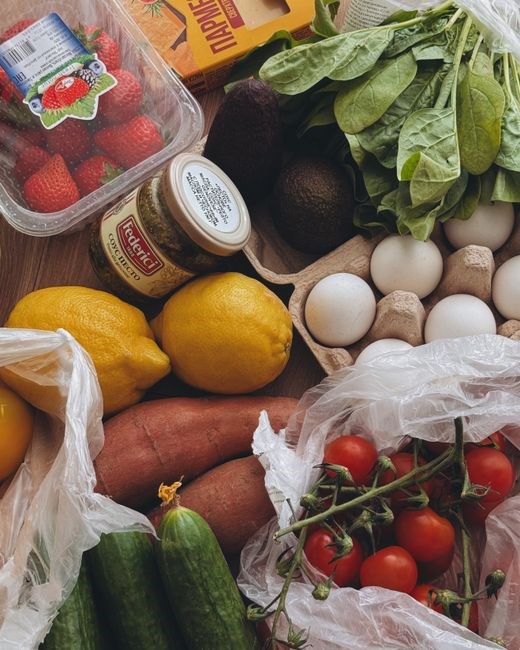
Staying on Track with DASH: Maintenance and Common Mistakes
Use grocery lists shopping guides to stay organized reduce impulse buys․ Track progress‚ limit sodium‚ use the PDF menu for quick swaps‚ and stay flexible to avoid fatigue․ Regular check‑ins keep heart‑healthy habits alive․ Remember to adjust portion sizes as you progress and celebrate small victories to stay motivated!!!
Monitoring Progress and Adjusting Portions
Track weight‚ blood pressure‚ and energy levels weekly․ Use the PDF menu’s portion guide to tweak servings: increase fruit and vegetable portions‚ reduce sodium‑rich items․ Log daily intake in a simple spreadsheet or app․ If blood pressure remains high‚ cut back on added salt‚ replace processed snacks with nuts‚ and add more legumes․ Celebrate milestones by adding a new favorite low‑fat dairy or fish dish to the menu․ Adjust portion sizes gradually to maintain satiety without excess calories․ Consistent monitoring keeps the DASH plan effective and sustainable․
Use the weekly PDF to compare actual intake with recommended servings․ Adjust portion sizes by adding or removing 1/4 cup servings of vegetables or legumes․ Track sodium by reading labels and choosing low‑salt options․ If weight plateaus‚ increase protein portion or swap refined grains for whole grains․ Keep a food diary to identify patterns and stay accountable․ Celebrate progress with non‑food rewards like a new recipe or a short walk․
Remember to hydrate and rest; these support blood pressure control․ daily․ now!
Avoiding High‑Sodium Substitutes
Lorem ipsum dolor sit amet‚ consectetur adipiscing elit․Lorem ipsum dolor sit amet‚ consectetur adipiscing elit․Lorem ipsum dolor sit amet‚ consectetur adipiscing elit․Lorem ipsum dolor sit amet‚ consectetur adipiscing elit․Lorem ipsum dolor sit amet‚ consectetur adipiscing elit․Lorem ipsum dolor sit amet‚ consectetur adipiscing elit․Lorem ipsum dolor sit amet‚ consectetur adipiscing elit․Lorem ipsum dolor sit amet‚ consectetur adipiscing elit․Lorem ipsum dolor sit amet‚ consectetur adipiscing elit․Lorem ipsum dolor sit amet‚ consectetur adipiscing elit․Lorem ipsum dolor sit amet‚ consectetur adipiscing elit․Lorem ipsum dolor sit amet‚ consectetur adipiscing elit․Lorem ipsum dolor sit amet‚ consectetur adipiscing elit․Lorem ipsum dolor sit amet‚ consectetur adipiscing elit․Lorem ipsum dolor sit amet‚ consectetur adipiscing elit․Lorem ipsum dolor sit amet‚ consectetur adipiscing elit․Lorem ipsum dolor sit amet‚ consectetur adipiscing elit․Lorem ipsum dolor sit amet‚ consectetur adipiscing elit․Lorem ipsum dolor sit amet‚ consectetur adipiscing elit․Avoiding sodium overload improves heart health․
Tips for Eating Out and Social Events
When dining out or attending gatherings‚ keep DASH principles in mind by selecting menu items that emphasize vegetables‚ lean proteins‚ and whole grains․ Ask for dressings and sauces on the side‚ and choose grilled‚ baked‚ or steamed options instead of fried or pan‑fried dishes․ Opt for salads that include a variety of colorful vegetables and a modest portion of beans or lentils for added protein․ If a restaurant offers a “low‑sodium” or “heart‑healthy” label‚ verify that the sodium content truly meets DASH criteria—misleading․ Bring a small container of your own low‑sodium salsa or yogurt dip to replace high‑salt condiments․ When ordering a main course‚ request that it be prepared without added salt‚ butter‚ or cream sauces‚ and ask for a side of steamed vegetables or a fresh fruit salad instead of a heavy‚ buttery side․ For desserts‚ choose fresh fruit or a small portion of dark chocolate rather than sugary pastries or ice cream․ If you’re at a social event‚ bring a small dish of hummus with sliced raw veggies or a homemade fruit platter to share; this not only satisfies cravings but also sets a DASH‑friendly example for others․ Enjoy! Here