
flat stanley pdf book
Flat Stanley Project: A Comprehensive Guide
Exploring printable Stanley templates offers a fantastic starting point for educators and families eager to dive into this engaging project‚ readily available online․
Numerous PDF downloads simplify the creation process‚ providing pre-designed Stanley outlines perfect for coloring and customization‚ enhancing the creative aspect․
These Flat Stanley books and readily accessible resources ensure a smooth and enjoyable experience‚ fostering a love for reading and geographical exploration․
What is the Flat Stanley Project?
The Flat Stanley Project is a beloved educational initiative born from a children’s book‚ transforming literacy into a dynamic‚ interactive experience for students of all ages․ It centers around the character Stanley Lambchop‚ famously flattened when a bulletin board falls on him during his sleep!
The core idea revolves around students creating their own two-dimensional version of Stanley – often utilizing readily available printable Stanley templates found as PDF downloads online․ These templates provide a convenient starting point‚ allowing children to personalize their Stanley with colors‚ designs‚ and unique features․
Once created‚ “Flat Stanley” is then mailed to friends‚ family‚ or even strangers in different locations․ The recipient documents Stanley’s adventures through photos and stories‚ sharing them with the sending student․ This fosters geographical awareness‚ writing skills‚ and a sense of connection with others․ The project beautifully blends reading‚ writing‚ social studies‚ and art‚ making learning fun and memorable․ It’s a fantastic way to explore the world from a unique‚ flattened perspective!
The Origin of Flat Stanley
Flat Stanley originated from the 1964 children’s book‚ “Flat Stanley” by Jeff Brown․ The story introduces Stanley Lambchop‚ an ordinary boy with an extraordinary predicament – he’s flattened by a falling bulletin board! This unusual circumstance leads to a series of adventures as Stanley discovers the unique advantages of being flat․
While the book itself sparked the imagination of countless readers‚ the Flat Stanley Project as we know it today was conceived in 1995 by Dale Hubert‚ a third-grade teacher in Washington state․ Seeking to engage his students in a meaningful learning experience‚ Hubert had his class send Flat Stanley (created using simple paper cutouts‚ and now easily printable PDF downloads) to friends and family across the country․
The response was overwhelming! Recipients enthusiastically documented Stanley’s travels‚ sending back photos and stories of his adventures․ This simple act blossomed into a nationwide phenomenon‚ demonstrating the power of connection and the joy of shared learning․ The project’s enduring popularity continues to inspire creativity and geographical exploration in classrooms worldwide․
The Core Concept: Sending Stanley Through the Mail
The heart of the Flat Stanley Project lies in its unique method of exchange: sending a two-dimensional representation of Stanley Lambchop through the postal service․ Students begin by creating their own Stanley‚ often utilizing readily available PDF downloads offering printable templates for easy customization․
This flat paper doll is then mailed to a designated recipient – a friend‚ family member‚ or even a classroom in another location․ The recipient’s role is to take Stanley on adventures‚ documenting his travels with photos and stories․ This documentation is then sent back to the original sender‚ creating a cross-cultural exchange․
Because Stanley is flat‚ mailing costs are minimal‚ making the project accessible to all․ The simplicity of sending a paper cutout belies the rich learning opportunities it provides‚ fostering communication‚ geography skills‚ and creative writing․ The use of a Flat Stanley PDF book can inspire adventure ideas!
Implementing the Flat Stanley Project
Utilizing printable Stanley templates from PDF books streamlines project setup‚ offering a convenient and cost-effective way to begin this exciting educational journey․
Step-by-Step Guide to Participating

Step 1: Obtain a Flat Stanley! Begin by accessing a Flat Stanley PDF book or template online – numerous free resources are readily available․ Print the template onto sturdy paper‚ ensuring it’s suitable for mailing․
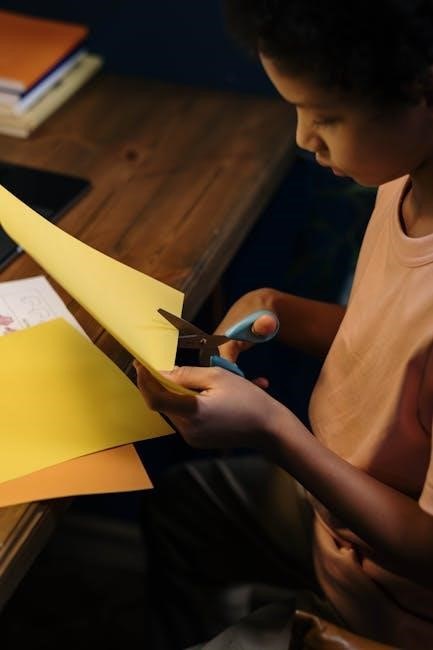
Step 2: Personalize Stanley․ Let your child unleash their creativity! Color‚ decorate‚ and give Stanley a unique personality․ This is a fantastic opportunity for artistic expression and storytelling․
Step 3: Write a Letter․ Compose a friendly letter to accompany Stanley‚ introducing yourselves and explaining the project․ Include questions for the recipient to answer about their location․
Step 4: Find a Recipient․ Reach out to friends‚ family‚ or even request a recipient through online Flat Stanley project registries․ Ensure they are willing to participate!
Step 5: Mail Stanley․ Carefully place Stanley and your letter in an envelope and mail it off on an adventure․ Anticipation builds as you await Stanley’s return!
Step 6: Receive Stanley Back․ When Stanley returns‚ enjoy learning about his travels through the recipient’s letter and any souvenirs they may have included․
Finding a Recipient for Stanley
Leveraging Online Registries: Several websites dedicated to the Flat Stanley project maintain lists of individuals eager to host Stanley․ These registries simplify the search‚ connecting you with potential travel buddies worldwide․
Tapping into Personal Networks: Consider reaching out to friends and family residing in different locations․ This personal connection adds a special touch to Stanley’s journey and fosters stronger relationships․
Exploring Educational Connections: Teachers often participate in the Flat Stanley project with their classrooms․ Inquire with local schools or educators who might be interested in receiving Stanley․
Utilizing Social Media: Share your participation in the project on social media platforms‚ requesting recommendations for potential recipients․ Hashtags like #FlatStanleyProject can broaden your reach․
Considering Pen Pal Programs: Explore existing pen pal programs‚ as participants may be open to hosting Stanley as part of a broader cultural exchange․ Remember to confirm their willingness beforehand!
Downloading a PDF template can help you create a visually appealing Stanley to send on his adventure‚ increasing the chances of a positive response․
Creating Your Own Flat Stanley
Utilizing Printable Templates: The easiest method involves downloading a Flat Stanley PDF template readily available online․ These pre-designed outlines provide a convenient starting point for your creation․
Drawing Stanley from Scratch: For a personalized touch‚ draw Stanley on a piece of paper․ Ensure he’s flat – a key characteristic! – and consider his classic attire: overalls and a hat․
Coloring and Decoration: Unleash your creativity! Color Stanley with vibrant hues and add unique details like patterns‚ stripes‚ or even personalized accessories․
Laminating for Durability: To protect Stanley from wear and tear during his travels‚ laminate him․ This ensures he remains in good condition throughout his adventures․
Adding Personal Touches: Include a brief biography of Stanley on the back‚ detailing his interests and personality․ This adds a personal element for his host․
Remember‚ a well-crafted Stanley‚ perhaps starting with a downloadable PDF‚ makes a fantastic first impression and sets the stage for an exciting exchange!

Flat Stanley Activities & Educational Value

PDF books enhance learning‚ offering structured activities and prompts for Stanley’s journey‚ fostering creativity and geographical understanding for students of all ages․
Integrating Flat Stanley into the Curriculum
Leveraging Flat Stanley PDF resources seamlessly integrates literacy‚ geography‚ and social studies into a captivating learning experience․ Printable templates‚ readily available online‚ serve as excellent starting points for various classroom activities․
Teachers can utilize these PDF books to structure lessons around map skills‚ requiring students to chart Stanley’s travels and identify locations․ Writing assignments blossom as students document Stanley’s adventures from his perspective‚ fostering narrative skills and creative expression․

Furthermore‚ the project encourages research as students learn about the places Stanley visits‚ delving into local cultures‚ landmarks‚ and history․ PDF-based activity sheets can be incorporated to assess comprehension and reinforce learning objectives․

The collaborative nature of the project promotes communication and interpersonal skills‚ as students correspond with their Stanley recipients․ Ultimately‚ Flat Stanley PDF materials transform a simple story into a dynamic‚ multi-faceted educational tool․
Creative Activities with Flat Stanley

Utilizing Flat Stanley PDF templates unlocks a world of artistic possibilities beyond simply coloring․ Students can design custom wardrobes for Stanley‚ reflecting the climate and culture of his destination‚ fostering creativity and cultural awareness․
Printable Stanley outlines become canvases for mixed-media projects‚ incorporating collage‚ painting‚ and drawing․ Encourage students to create backdrops depicting Stanley’s adventures‚ enhancing storytelling and visual communication skills․
The PDF resources can inspire dramatic play‚ with students role-playing Stanley’s encounters and experiences․ Furthermore‚ students can design and create postcards from Stanley’s travels‚ practicing persuasive writing and artistic design․
Digital enhancements to the PDF templates‚ like adding speech bubbles or thought clouds‚ can further personalize Stanley’s journey․ These activities not only stimulate imagination but also reinforce learning through hands-on engagement‚ making the project truly memorable․
Documenting Stanley’s Travels: The Journal
Leveraging the Flat Stanley project encourages detailed journaling‚ transforming the experience into a comprehensive learning opportunity․ Students can utilize printable PDF templates to create a dedicated travel journal for Stanley‚ documenting each stage of his adventure․
Entries should include descriptions of Stanley’s surroundings‚ the people he meets‚ and the activities he participates in․ Encourage students to incorporate drawings‚ photographs‚ and even small mementos collected during Stanley’s travels within the journal․
PDF-based journal prompts can guide students’ reflections‚ prompting them to consider Stanley’s perspective and the cultural differences he encounters․ This fosters empathy and critical thinking skills․
The journal becomes a tangible record of Stanley’s journey‚ showcasing the student’s writing‚ artistic‚ and observational abilities․ It’s a wonderful keepsake and a powerful tool for sharing Stanley’s experiences with others‚ solidifying the learning process․

Resources for the Flat Stanley Project
Numerous online platforms offer printable Stanley templates in PDF format‚ simplifying project initiation for educators and families seeking convenient resources․
These downloadable PDFs provide pre-designed outlines‚ fostering creativity and streamlining the creation of Stanley for exciting adventures․
Online Resources and Websites
A wealth of digital resources supports the Flat Stanley Project‚ making participation easier than ever․ Several websites specialize in providing free‚ downloadable PDF templates of Flat Stanley himself‚ ready for coloring‚ cutting‚ and embarking on adventures․ These sites often include variations – different poses or even themed Stanleys for seasonal projects!
The official Flat Stanley Project website (though sometimes needing updates) remains a central hub‚ offering project guidelines and a directory for finding exchange partners․ YouTube hosts numerous instructional videos‚ like “Flat Stanley Project Instructions and Tips‚” offering practical advice for educators and parents navigating the project for the first time․
Pinterest is a treasure trove of creative ideas‚ showcasing how others have personalized their Stanleys and documented their travels․ Beyond dedicated Flat Stanley sites‚ general educational resource platforms often feature printable templates and lesson plan ideas․ Searching for “Flat Stanley PDF” will yield a multitude of options‚ ensuring a perfect starting point for your project․ Remember to preview any downloaded content to ensure it aligns with your needs and standards․
Flat Stanley Project Books and Literature
The Flat Stanley Project originated from the beloved children’s book written by Jeff Brown‚ serving as the foundational story for the entire activity․ This original tale details Stanley Lambchop’s unusual flatness and his adventures after being mailed in an envelope․ Numerous spin-off books have expanded the Flat Stanley universe‚ following his travels to various locations and introducing new characters․
While the core project often utilizes printable PDF templates for creating Stanley‚ reading the original book provides crucial context and enhances the experience․ Educators frequently use the book as a read-aloud to introduce the project to students‚ sparking their imagination and enthusiasm․
Beyond the primary series‚ supplemental literature often focuses on geography‚ map skills‚ and letter writing – skills naturally integrated into the Flat Stanley Project․ Libraries and online booksellers offer a wide selection of these related titles‚ enriching the educational value and providing further inspiration for creative activities․ Exploring these books alongside the PDF-based creation process offers a well-rounded learning experience․
PDF Downloads: Printable Stanley Templates
Numerous websites offer free‚ downloadable PDF templates for creating your own Flat Stanley․ These templates simplify the initial step of the project‚ eliminating the need for students to draw Stanley from scratch․ A quick online search reveals a variety of designs‚ ranging from the classic Stanley illustration to more modern interpretations․
These printable PDFs typically feature a pre-outlined Stanley figure ready for coloring‚ decorating‚ and personalizing․ Educators appreciate the convenience and time-saving aspect of these resources‚ allowing students to focus on the creative and geographical components of the project․
Beyond basic outlines‚ some PDF downloads include additional elements like luggage or travel accessories‚ further enhancing the imaginative play․ Utilizing these templates ensures consistency in Stanley’s appearance while still allowing for individual expression․ They are a cornerstone of easy project implementation‚ making the Flat Stanley adventure accessible to all․
Troubleshooting and Tips for Success
Ensure PDF templates print correctly‚ checking scale and clarity before use; a test print avoids issues during Stanley’s creation and mailing process․
Addressing Common Challenges
Printing Issues with PDF Templates: A frequent hurdle involves ensuring the downloaded Flat Stanley PDF prints at the correct size and with sufficient clarity․ Users sometimes encounter scaling problems‚ resulting in a Stanley that’s too large or small for mailing․ Solution: Always perform a test print before finalizing‚ adjusting printer settings as needed․ Check that “actual size” or “100% scale” is selected in the print dialogue box․
Template Quality Variations: The quality of available PDF templates can differ significantly․ Some may appear pixelated or lack sufficient detail for creative embellishment․ Solution: Source templates from reputable educational websites or utilize higher-resolution options when available․ Consider tracing a digital Stanley onto cardstock for a cleaner outline․
PDF Compatibility: Older PDF readers might struggle to display or print certain templates correctly․ Solution: Ensure you have the latest version of Adobe Acrobat Reader or a compatible PDF viewer installed․ Trying a different browser can also resolve display issues․
Paper Weight & Durability: Printing on standard printer paper can result in a flimsy Stanley prone to tearing during transit․ Solution: Opt for heavier cardstock or laminate the printed Stanley for increased durability and protection against the elements․
Tips for a Smooth Project Experience
Pre-Print Template Checks: Before committing to a full print run‚ always preview the Flat Stanley PDF template․ Verify the dimensions are suitable for mailing – typically around 8․5 x 11 inches․ A test print ensures accurate sizing and prevents wasted materials․
Cardstock is Key: For a durable Stanley‚ bypass standard paper and utilize cardstock․ This provides rigidity‚ protecting your flattened friend during postal travel․ Consider laminating for extra resilience against bending and moisture․
Creative Customization First: Encourage students to decorate the PDF-printed Stanley before you mail it․ This allows for personalized touches and fosters a stronger connection to the project․
Clear Addressing: Ensure the recipient’s address is clearly and legibly written on the envelope․ Include a return address for Stanley’s safe return journey․ A brightly colored envelope can also help it stand out․
Digital Backup: Save a digital copy of the decorated Stanley as a keepsake․ This provides a visual record of the project and allows for sharing with family and friends․
Extending the Project Beyond the Initial Exchange
Digital Storytelling: Upon Stanley’s return‚ leverage the experience for digital storytelling․ Students can create presentations‚ incorporating photos from the recipient and recounting Stanley’s adventures․ Utilizing the original Flat Stanley PDF image as a base for animations is a fun extension․
Comparative Geography: Compare and contrast the location Stanley visited with your own community․ Research climate‚ landmarks‚ and cultural differences․ This expands the learning beyond a simple exchange․
Pen Pal Connections: Encourage ongoing correspondence with the recipient․ This fosters a lasting connection and provides opportunities for continued cultural exchange‚ building upon the initial Flat Stanley interaction․
Classroom Display: Create a dedicated “Stanley’s Travels” display showcasing photos‚ maps‚ and journal entries․ This celebrates the collective experience and inspires future participants․
Create a New Stanley: Design a new‚ themed PDF Stanley – perhaps a historical figure or a character from a class novel – and initiate another exchange‚ continuing the cycle of learning and connection․